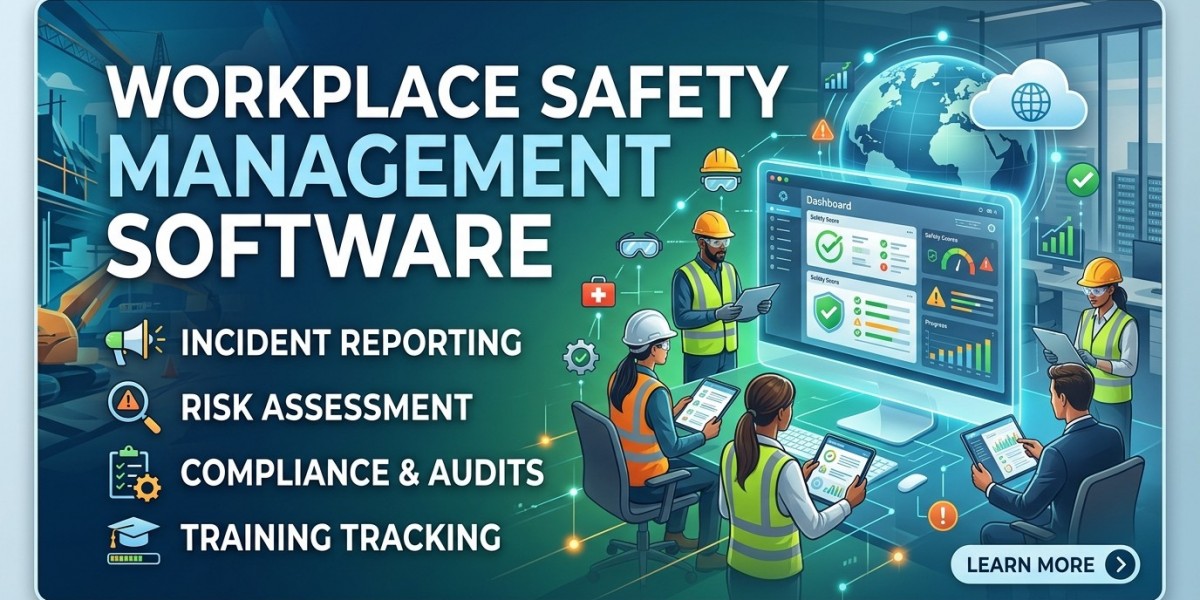

Workplace Safety Management Software has become an essential part of modern organizations that want to build safer work environments while meeting legal and operational requirements. Workplace Safety Management Software helps businesses organize inspections, manage compliance, monitor workplace risks and respond quickly when safety incidents occur. I believe that every organization benefits when safety information is stored in one place because it allows managers and employees to work together more effectively and make informed decisions.
Every workplace faces different challenges depending on its industry, workforce and daily operations. A manufacturing plant deals with machinery risks, while a construction company manages changing job sites. Healthcare facilities, warehouses and transportation businesses also face unique safety concerns. They all need software that simplifies safety management without creating unnecessary administrative work. You can improve workplace performance when employees have access to reliable safety tools that support their daily responsibilities.
Why Workplace Safety Management Software Is Important
Creating a safe workplace requires continuous attention rather than occasional inspections. Businesses must monitor hazards, document activities and provide employees with clear reporting methods.
Workplace safety management software helps organizations:
- Organize safety records
- Improve communication
- Reduce manual paperwork
- Monitor workplace risks
- Support regulatory compliance
When we use digital systems instead of paper documents, it becomes easier to maintain accurate records and respond quickly to workplace concerns.
Centralized Safety Information
One of the biggest advantages of workplace safety management software is centralized data management. Instead of storing documents across multiple systems, businesses can manage everything from one platform.
Centralized systems often include:
- Employee safety records
- Inspection reports
- Incident reports
- Training history
- Compliance documents
They allow management teams to access information whenever it is required without searching through multiple files.
Compliance Tracking Features
Compliance tracking remains one of the most valuable software features because many industries must follow workplace safety regulations.
Compliance tracking allows organizations to:
- Monitor regulatory requirements
- Store compliance documents
- Schedule important deadlines
- Track corrective actions
- Prepare for inspections
You can reduce the risk of missing important compliance activities by using automated tracking systems.
Risk Management Tools
Every workplace contains risks, but identifying hazards early helps reduce the possibility of accidents and operational disruptions.
Risk management features typically include:
- Hazard identification
- Risk assessments
- Corrective action planning
- Risk monitoring
- Performance reviews
I think organizations become stronger when they focus on preventing problems instead of only responding after incidents occur.
Incident Reporting Software
Fast and accurate reporting helps organizations investigate workplace events while improving future safety planning.
Modern incident reporting features include:
- Digital reporting forms
- Mobile reporting
- Photo attachments
- Investigation tracking
- Corrective action management
They allow supervisors to receive information quickly and begin appropriate follow-up procedures.
Workplace Inspections Made Easier
Routine inspections help businesses identify hazards before they become serious problems. Digital inspection tools simplify this process.
Inspection features often include:
- Digital checklists
- Scheduled inspections
- Mobile inspections
- Photo documentation
- Inspection history
We can complete inspections more efficiently while maintaining consistent reporting standards.
Audit Management Features
Safety audits help organizations evaluate how effectively safety policies are being implemented throughout the business.
Audit management tools provide:
- Audit scheduling
- Inspection templates
- Findings documentation
- Corrective action tracking
- Audit reports
They help businesses maintain accountability while supporting continuous improvement.
Employee Training Management
Employees need regular safety training to understand workplace procedures and recognize potential hazards.
Training management features often include:
- Training schedules
- Course completion records
- Certification tracking
- Refresher reminders
- Employee learning history
You can quickly verify that employees have completed required training before performing specific tasks.
Mobile Accessibility
Many employees spend most of their working day away from office desks. Mobile applications allow safety activities to continue wherever work is being performed.
Mobile capabilities include:
- Incident reporting
- Hazard observations
- Inspection forms
- Photo uploads
- Task notifications
They improve communication because information reaches management much faster than traditional reporting methods.
Dashboard Reporting and Analytics
Managers need clear information to evaluate workplace safety performance. Modern dashboards present important safety data using easy-to-read reports.
Common dashboard information includes:
- Incident trends
- Risk assessments
- Compliance status
- Inspection completion
- Training progress
I find that visual reporting helps organizations recognize patterns and make better operational decisions.
Cloud Based Workplace Safety Management Software
Cloud technology has changed how organizations manage workplace safety. Employees and managers can securely access safety information from different locations.
Cloud-based software provides:
- Remote access
- Automatic updates
- Secure data storage
- Easier collaboration
- Lower maintenance requirements
You can review reports whether you are in the office, at another facility or working remotely.
Integration With Other Business Systems
Many organizations prefer software that connects with existing business applications instead of creating separate systems.
Integration may include:
- Human resources software
- Asset management systems
- Maintenance platforms
- Document management
- Business reporting tools
They reduce duplicate work while improving information accuracy across departments.
Automation for Routine Safety Tasks
Automation helps reduce repetitive administrative work while improving consistency.
Automated features often include:
- Inspection reminders
- Corrective action notifications
- Compliance alerts
- Scheduled reports
- Workflow approvals
We save time when routine processes happen automatically instead of relying on manual follow-up.
Choosing the Right Workplace Safety Management Software
Every organization has different operational needs, so selecting software requires careful planning.
Before making a decision, consider:
- Industry requirements
- Company size
- Ease of use
- Mobile functionality
- Reporting capabilities
- Customer support
- Data security
You should choose software that supports both your current operations and future business growth.
Future Trends in Workplace Safety Software
Technology continues changing workplace safety management through smarter systems and improved data analysis.
Future developments may include:
- Artificial intelligence for hazard prediction
- Predictive risk analysis
- Wearable safety technology
- Voice-enabled reporting
- Advanced automation
- Improved cloud connectivity
They will continue evolving because organizations expect faster reporting, stronger decision support and more efficient workplace management.
Final Thoughts
Workplace Safety Management Software continues to play an important role in helping organizations improve safety, maintain compliance and reduce operational risks. Features such as compliance tracking, risk management, incident reporting, audits, inspections and workplace safety tools give businesses better visibility into daily operations while supporting informed decision making. I believe technology becomes most effective when it works alongside employees rather than replacing them. When you combine reliable software, regular training and active employee participation, your organization can build a workplace where safety remains part of everyday operations and long-term business success.







