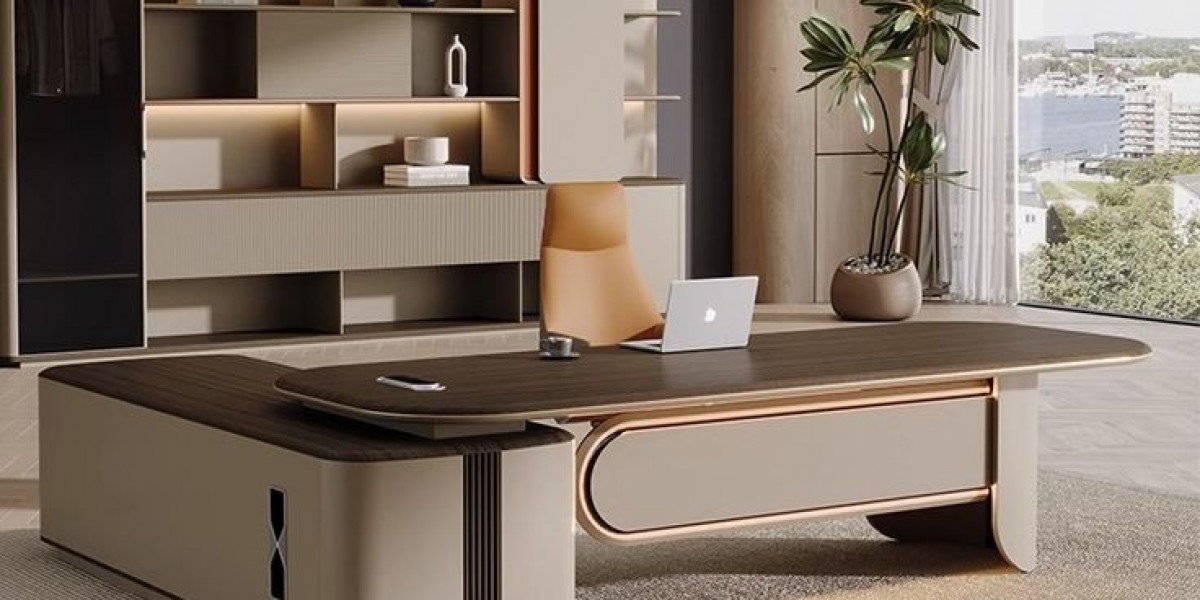

Creating a productive workplace starts with choosing the right furniture. A well-planned Office table design helps employees stay comfortable, organized, and focused throughout the day. Whether you are furnishing a corporate office, startup, home office, or coworking space, selecting the right office table improves workflow and creates a professional environment. Today's office tables combine practicality with modern aesthetics, making them suitable for different industries and workspace sizes. Investing in quality office furniture is not just about appearance; it also supports efficiency, employee satisfaction, and long-term durability.
Why Office Table Design Matters in Every Workplace
A thoughtfully planned office environment begins with furniture that supports daily tasks. Office tables are used for meetings, computer work, collaboration, and administrative responsibilities. Their design directly influences productivity and employee comfort.
Modern businesses no longer choose tables based only on appearance. They look for functionality, ergonomic support, storage options, cable management, and durability. A practical office table creates an organized workspace where employees can concentrate without unnecessary distractions.
The right office table also enhances the company's professional image. Clients, visitors, and business partners often notice workspace organization during their first visit. A well-designed office reflects professionalism and attention to detail.
Choosing the Best Office Table Design for Different Office Needs
Every office has unique requirements, which is why there is no one-size-fits-all solution. Different departments require different table styles based on their daily activities.
Executive offices typically feature larger desks with premium finishes, integrated storage, and elegant designs that represent leadership. Workstations for employees prioritize space efficiency while maintaining enough room for computers, documents, and office accessories.
Meeting rooms require conference tables that encourage communication and teamwork. Reception areas benefit from welcoming tables that complement the office interior while maintaining functionality.
Home offices often require compact office tables that maximize limited space without compromising comfort or productivity.
Selecting the appropriate office table design according to workspace requirements ensures better functionality and improved workflow throughout the organization.
Features That Make Modern Office Tables More Functional
Modern office furniture has evolved significantly over the years. Businesses now expect office tables to provide much more than a flat work surface.
Cable management systems help keep electrical wires organized, reducing clutter and improving safety. Built-in storage drawers make important documents easily accessible while maintaining a tidy workspace.
Many office tables now include ergonomic features that support healthier working positions. Adjustable height options allow employees to alternate between sitting and standing, reducing fatigue during long working hours.
Scratch-resistant surfaces, moisture-resistant finishes, and sturdy construction materials increase the lifespan of office furniture, making it a valuable long-term investment.
These practical features contribute to better workplace organization while reducing maintenance requirements.
Popular Office Table Design Styles for Modern Businesses
Office furniture trends continue to evolve as workplaces become more flexible and collaborative. Modern office tables are available in various styles to suit different office interiors.
Minimalist office tables feature clean lines and simple designs that create an uncluttered environment. Contemporary styles combine wood, metal, and glass materials for a sophisticated appearance.
Industrial office tables provide a durable solution with strong metal frames and wooden tops, making them ideal for creative workspaces. Scandinavian-inspired furniture focuses on simplicity, functionality, and natural finishes that create bright and comfortable offices.
Modular office tables have become increasingly popular because they allow businesses to reconfigure layouts as teams grow or office requirements change.
Selecting a style that matches your office branding creates a cohesive and visually appealing workspace.
Materials Used in Office Table Design
The materials used in office furniture determine its durability, maintenance requirements, and overall appearance.
Solid wood office tables offer timeless beauty and exceptional strength. They are often chosen for executive offices because they create a premium impression.
Engineered wood provides an affordable alternative while maintaining excellent durability for everyday office use. Metal frames improve structural stability and are commonly used in modern office furniture.
Glass tabletops create an elegant and spacious appearance, especially in conference rooms or executive spaces. Laminate finishes remain one of the most practical choices because they resist scratches, stains, and daily wear.
Choosing quality materials ensures your office furniture maintains its appearance for many years.
Office Table Design and Employee Productivity
Employee performance is closely connected to workplace comfort. Poor furniture can contribute to discomfort, fatigue, and reduced efficiency throughout the workday.
An ergonomic office table allows employees to maintain proper posture while working on computers or handling paperwork. Sufficient desk space prevents overcrowding and supports better organization.
Well-designed office tables also reduce distractions by providing designated areas for monitors, keyboards, office supplies, and personal items.
Comfortable employees are generally more focused, motivated, and productive. Investing in quality office furniture benefits both staff well-being and business performance.
How Office Table Design Supports Office Organization
An organized workspace improves efficiency by reducing the time employees spend searching for documents or office supplies.
Office tables with integrated storage compartments, drawers, and shelves help keep workstations clean and clutter-free. Cable management solutions prevent tangled wires and improve workplace safety.
Larger work surfaces allow employees to arrange computers, notebooks, printers, and accessories without feeling cramped.
A well-organized office also creates a more positive atmosphere, encouraging employees to maintain cleanliness and professionalism throughout the workplace.
Finding the Right Office Table Design for Small Offices
Limited office space requires furniture that maximizes every available square foot without sacrificing functionality.
Compact office tables with built-in storage eliminate the need for additional cabinets. Corner desks utilize unused areas efficiently while providing generous workspace.
Foldable and modular office tables offer flexibility for businesses that frequently rearrange office layouts. Light-colored finishes also create the visual impression of larger spaces.
Choosing multifunctional office furniture helps smaller businesses maintain productivity while keeping offices comfortable and organized.
Maintenance Tips to Keep Office Tables Looking New
Proper maintenance extends the life of office furniture while preserving its professional appearance.
Regular cleaning with soft cloths removes dust and prevents buildup. Using appropriate cleaning products protects surface finishes from damage. Employees should avoid placing hot objects directly on table surfaces to prevent marks.
Desk mats and protective pads minimize scratches caused by keyboards, laptops, and office equipment. Tightening loose hardware periodically helps maintain table stability.
Routine maintenance ensures office tables remain attractive, functional, and durable for years of daily use.
Future Trends in Office Table Design
Modern workplaces continue to embrace furniture that adapts to changing work environments.
Height-adjustable office tables are becoming increasingly common as businesses prioritize employee wellness. Sustainable materials and environmentally friendly manufacturing processes are also gaining popularity among organizations focused on reducing their environmental impact.
Smart office tables with integrated charging ports, wireless charging, and built-in connectivity features support today's technology-driven workplaces.
Flexible office layouts will continue influencing furniture design, encouraging manufacturers to create adaptable office tables suitable for hybrid work models and collaborative environments.
Conclusion
Choosing the right Office table design is an important investment for any business looking to improve productivity, organization, and workplace aesthetics. Functional office tables support employees throughout their daily tasks while creating a professional environment that leaves a positive impression on clients and visitors. By selecting durable materials, ergonomic features, and practical layouts, businesses can create workspaces that remain efficient for years to come. For organizations seeking reliable and stylish office furniture solutions, Modern office table designs offers options that combine quality, functionality, and contemporary design for today's professional workplaces.