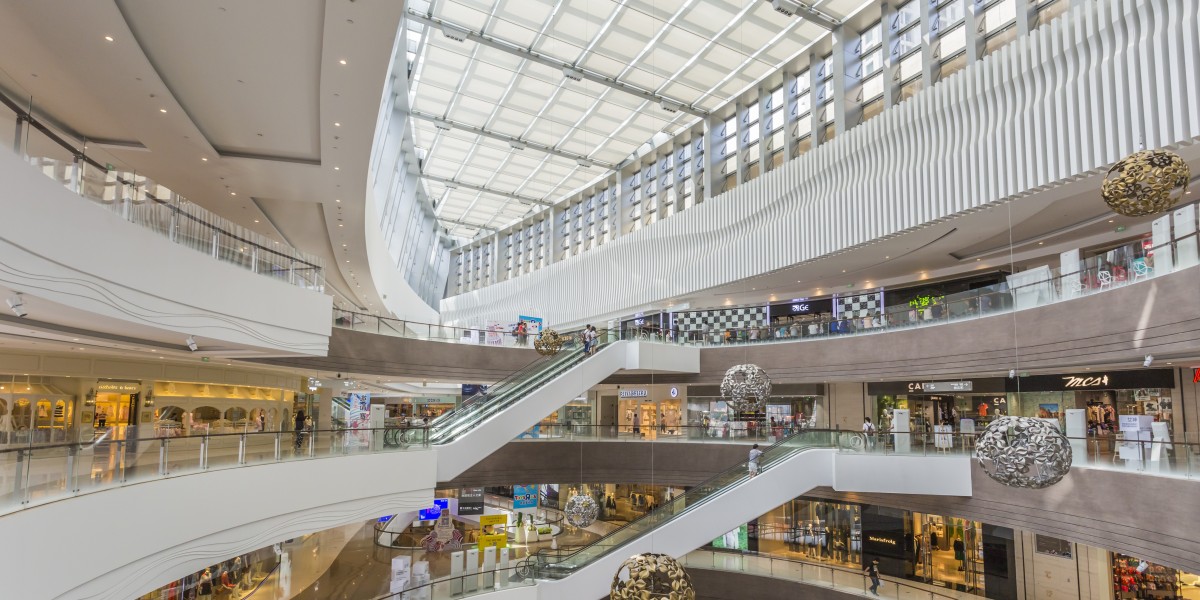

Retail property is not a single category. Investors may encounter standalone retail developments, mixed-use projects, high-street properties, and other commercial formats. Each has a different physical and operational environment.
Understanding the distinction between Standalone retail developments and mixed-use projects can help investors assess which format better fits their objectives.
What Is a Mixed-Use Development?
A mixed-use project combines different uses within the same broader development or planned environment. These may include residential, retail, office, hospitality, or other commercial components.
The key characteristic is the interaction between multiple uses.
For retail businesses, this can create potential access to residents, employees, visitors, or other users within the development.
Investors should nevertheless examine the actual scale, occupancy, accessibility, and operating structure rather than assuming that mixed-use automatically means stronger commercial performance.
What Defines Standalone Retail?
Standalone retail developments are primarily designed around commercial or retail activity rather than combining several major property uses.
Their planning may place greater emphasis on:
- Retail visibility
- Shop frontage
- Customer access
- Signage
- Parking
- Commercial circulation
- Business-oriented layouts
This format can be relevant for businesses that depend heavily on direct customer interaction.
Comparing the Two Formats
| Consideration | Mixed-Use | Standalone Retail |
|---|---|---|
| User base | Multiple user groups | Primarily commercial visitors |
| Environment | Integrated uses | Retail-focused |
| Customer sources | Residents, workers, visitors | Local and destination customers |
| Planning | Multi-purpose | Commercially focused |
| Evaluation | Depends on project mix | Depends on retail fundamentals |
The right choice depends on the intended business and investment strategy.
What Should Investors Examine?
1. Customer Catchment
Understand where potential customers are expected to come from and how easily they can access the property.
2. Visibility
For retail, visibility from surrounding roads and pedestrian routes can be an important consideration.
3. Property Configuration
Floor level, frontage, shop size, entrances, loading arrangements, and layout can influence usability.
4. Occupancy and Business Mix
Review what businesses are operating nearby and whether the commercial environment aligns with the intended use.
5. Costs
Consider acquisition price, maintenance, fit-out, taxes, utilities, and other recurring expenses.
Why Context Matters More Than Labels
Terms such as “mixed-use” and “standalone retail” describe development formats, but they do not by themselves establish whether a property is suitable for a particular investor.
Two projects using the same format can have very different locations, access arrangements, customer profiles, and property configurations.
Investors should therefore evaluate the individual project rather than relying only on its category.
SPJ Group's Commercial Property Perspective
For investors researching retail formats, SPJ Group provides resources covering commercial property development and retail considerations. These resources can help readers understand differences between development models and the practical factors involved in evaluating commercial opportunities.
Explore the comparison of mixed-use and standalone retail developments.
Conclusion
The choice between mixed-use projects and Standalone retail developments depends on factors such as customer catchment, accessibility, property configuration, business mix, costs, and intended use.
Rather than treating one format as universally preferable, investors can compare the actual characteristics of each project and determine which aligns with their commercial objectives.