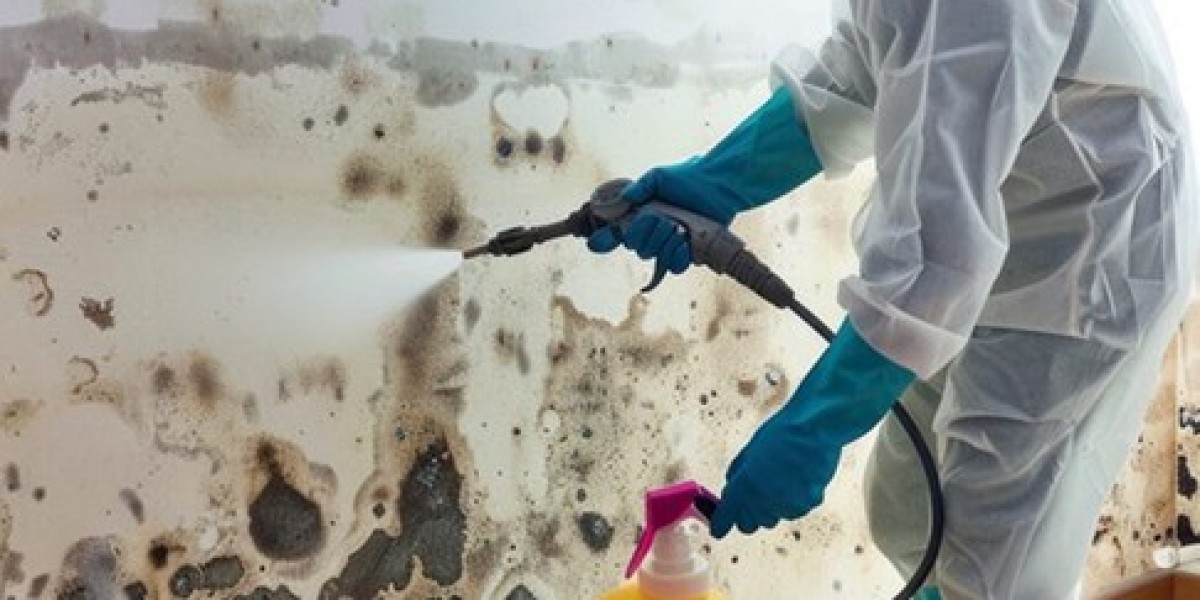

Mold can develop in homes and businesses when moisture remains present for an extended period. Leaking pipes, roof leaks, flooding, high humidity, condensation, and poor ventilation can all create conditions where mold can grow. Once mold is discovered, simply cleaning the visible surface may not address the underlying moisture problem. Professional mold remediation services focus on identifying the source of moisture, containing affected areas, removing contaminated materials when necessary, and cleaning the property properly.
What Are Mold Remediation Services?
Mold remediation services are professional services designed to address mold growth and the conditions that allow it to develop. The process generally begins with an inspection to identify visible mold, moisture problems, and areas that may have been affected.
Depending on the situation, remediation may involve containment, removal of affected materials, cleaning, drying, and measures to prevent mold from returning. The exact approach depends on the size and location of the affected area and the type of materials involved.
Common Causes of Mold Growth
Mold needs moisture to grow, which means water problems are often connected to mold issues. Plumbing leaks, burst pipes, flooding, damaged roofs, foundation leaks, and overflowing appliances can introduce excess moisture into a property.
High indoor humidity can also contribute to mold growth, particularly in bathrooms, basements, kitchens, attics, and other areas with limited ventilation. Identifying and correcting the moisture source is an important part of effective remediation.
Signs That a Property May Have Mold
Visible mold is one of the most obvious signs of a potential problem. Mold may appear as patches or discoloration on walls, ceilings, flooring, wood, or other surfaces. However, mold can also grow in hidden locations.
Musty odors, persistent dampness, water stains, peeling paint, warped materials, and previous water damage can indicate that further inspection may be necessary. Mold may be located behind drywall, underneath flooring, inside cabinets, or in other areas that are not immediately visible.
Mold Inspection and Assessment
A professional inspection helps determine the extent of a mold problem. The inspection may focus on areas with visible growth as well as locations where moisture has previously occurred.
Moisture detection equipment can help identify damp materials and hidden moisture sources. In some situations, additional testing may be considered, but testing is not always necessary to begin addressing visible mold and moisture problems. The appropriate inspection approach depends on the circumstances of the property.
Containing the Affected Area
When mold is present, controlling the affected area can help limit the spread of mold particles during remediation work. Professional mold remediation services may use physical barriers, controlled airflow, and appropriate protective procedures depending on the size and location of the affected area.
Containment methods vary based on the situation. Larger or more complicated mold problems may require more extensive controls to separate affected areas from clean portions of the property.
Removing Mold-Damaged Materials
Some materials affected by mold may be cleaned and restored, while porous materials with extensive contamination may need to be removed. Examples can include sections of drywall, insulation, carpet, or other materials that cannot be effectively cleaned.
Removal should be performed carefully to reduce the spread of mold particles. Professionals assess affected materials and determine which items can be cleaned and which may require replacement.
Cleaning and Treating Affected Surfaces
After contaminated materials are removed when necessary, remaining surfaces can be cleaned using appropriate methods. The cleaning process depends on the material, extent of growth, and location of the mold.
Hard surfaces may sometimes be cleaned and treated, while porous materials require a different approach. Professional remediation focuses on physically removing mold contamination rather than simply covering stains or applying a product over visible growth.
Moisture Removal and Drying
Removing mold without correcting the moisture problem may allow it to return. For this reason, moisture control is a major part of the remediation process.
Restoration professionals may use dehumidifiers, air movers, moisture meters, and other equipment to dry affected areas. Plumbing leaks, roof problems, drainage issues, or other sources of moisture should also be addressed to help prevent future mold growth.
Mold in Basements and Crawl Spaces
Basements and crawl spaces can be vulnerable to mold because they may experience moisture intrusion, condensation, leaks, or poor ventilation. Water entering through foundations or plumbing problems can create damp conditions that support mold growth.
Professional mold remediation services can help identify moisture sources in these areas and determine whether affected materials need cleaning, drying, removal, or replacement.
Preventing Mold After Water Damage
Water damage and mold problems are often closely connected. After a flood, leak, or burst pipe, affected materials should be dried as quickly as practical to reduce prolonged moisture exposure.
Property owners can also reduce future mold risks by repairing leaks, controlling indoor humidity, improving ventilation, and addressing water intrusion promptly. Regular inspections can help identify moisture problems before they become larger issues.
Commercial Mold Remediation
Mold can affect offices, retail properties, apartment buildings, warehouses, and other commercial spaces. A mold problem in a business can affect work areas, stored materials, building components, and daily operations.
Commercial remediation may require a coordinated approach involving inspection, containment, cleaning, material removal, drying, and repairs. The scope of work depends on the size of the property and the extent of the affected areas.
Choosing Professional Mold Remediation Services
When choosing a mold remediation company, property owners should consider experience, training, equipment, communication, and the company's approach to moisture control and cleanup.
It is important to choose a provider that addresses the underlying moisture source instead of focusing only on visible mold. A complete remediation process should leave the affected area properly cleaned and dry while addressing conditions that could contribute to future growth.
Conclusion
Mold can develop when moisture problems are left unresolved, particularly after leaks, flooding, or prolonged humidity. Professional mold remediation services can help identify moisture sources, contain affected areas, remove damaged materials, clean contaminated surfaces, and dry the property. Addressing both the mold and the underlying moisture problem is an important part of restoring a cleaner and healthier property environment.