


Lately, the monetary landscape has seen vital shifts, notably regarding personal loans for people with poor credit scores. Because the financial system evolves, so do borrowing choices for these on the lower end of the credit spectrum. This article goals to discover the nuances of personal loans obtainable for customers with poor credit, examining their accessibility, phrases, and the implications for borrowers.
Personal loans might be defined as unsecured loans that people take out to finance a variety of personal bills, which might vary from debt consolidation to medical bills or house enhancements. Typically, these loans are issued primarily based on the borrower’s creditworthiness, which is assessed through their credit rating. For people with poor credit score (typically defined as a rating below 580), the loan course of might be fraught with challenges. This research attracts on observations from varied lending institutions, personal finance discussions, and borrower experiences to stipulate the current state of lending for this demographic.
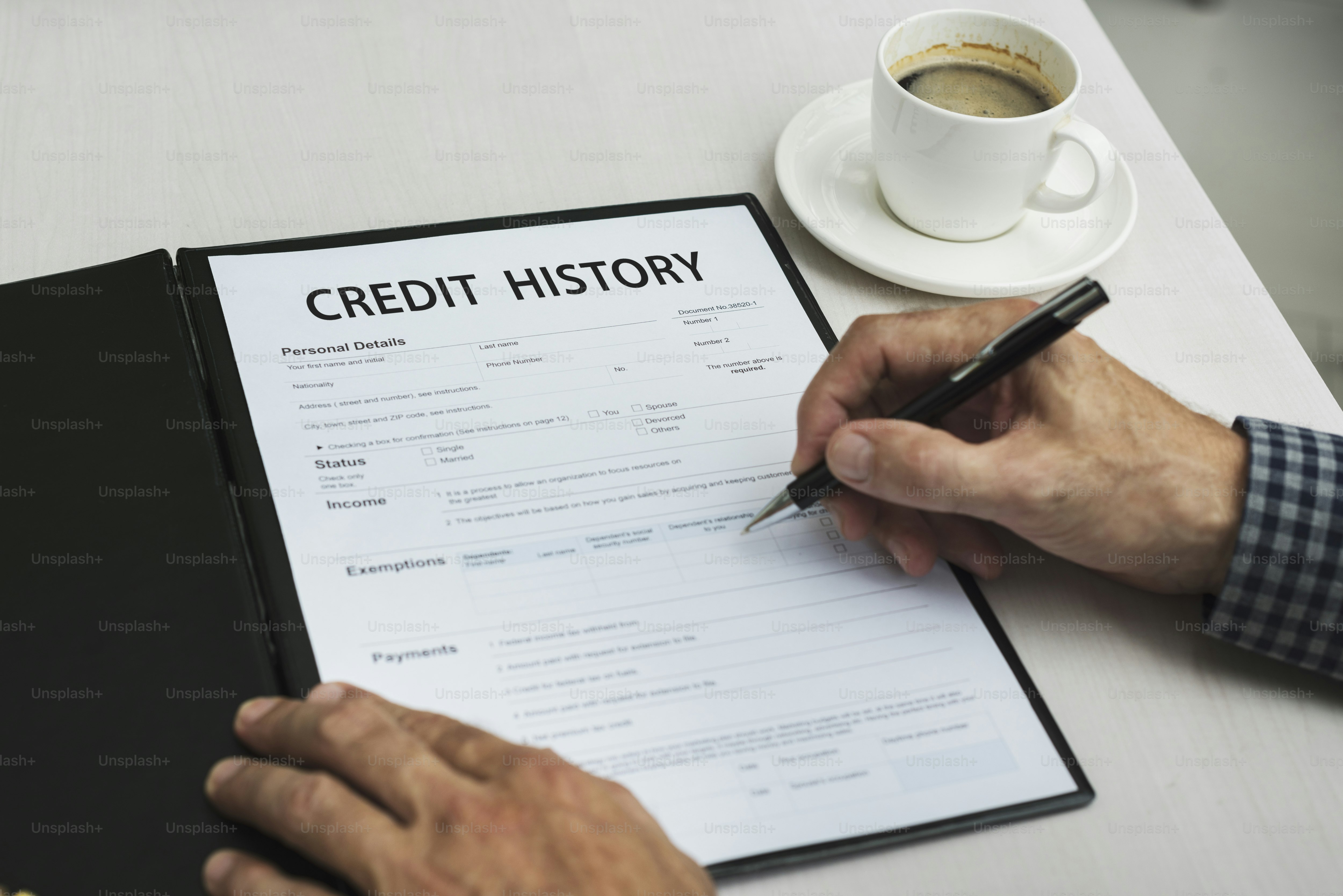
The Landscape of Borrowing with Poor Credit
Foremost among the many boundaries faced by people with poor credit score is the higher curiosity rates associated with personal loans. Lenders consider the risk of lending to somebody with a low credit score rating and sometimes charge larger charges to mitigate potential losses. Information collected from quite a few financial establishments reveal that personal loan curiosity rates for poor credit score can range from 10% to upwards of 35%. Such rates can lead borrowers to pay an exorbitant amount in interest over the life of the loan, prompting many to reconsider whether the loan is worth it.
In 2023, the emergence of different lending platforms and peer-to-peer lending has enriched the borrowing landscape. These platforms typically focus much less on conventional credit scores and extra on total financial conduct, which might present options for people with poor credit histories. Online direct lenders like Upstart and Avant have gained traction for granting loans to people who may not qualify through conventional means. As such, borrowers have exhibited a rising openness to different lending avenues, largely as a result of convenience and accessibility they current.
Accessibility and Qualification Criteria
Entry to personal loans for borrowers with poor credit score varies broadly among lenders. Conventional banks and credit unions often maintain stringent standards, making it challenging for these people to acquire funding. Observational findings from borrowers reveal that many find important problem getting authorised via banks, forcing them to discover various choices reminiscent of online lenders.
Various lenders usually have a more inclusive method to credit assessment, permitting for elements beyond the credit score score to play a role in resolution-making. This may embody earnings, employment history, and even instructional background. Regardless of this relaxed normal, borrowers continuously report emotional stress due to the stringent scrutiny of their financial circumstances, usually leading to feelings of judgment and insecurity.
Phrases and Conditions: The Effective Print
Whereas alternative lending choices may facilitate access for those with poor credit score, the terms and situations hooked up to those loans could be notably stringent. Observational insights from current borrowers point out that many personal loans come with high fees, equivalent to origination fees or prepayment penalties. Such charges can drastically have an effect on the overall repayment amount and exacerbate the monetary burden on borrowers already navigating a tough financial environment.
Repayment intervals for personal loans can even differ extensively. Shorter repayment phrases could seem much less engaging, especially for borrowers with restricted financial flexibility. Nonetheless, longer repayment terms typically imply paying considerably extra in curiosity. The problem, subsequently, lies in placing a stability between affordability and total price. Through discussions in private finance groups, borrowers express a desire for clearer information regarding how fees and interest affect lengthy-term repayment, emphasizing the necessity for elevated financial literacy.
Options and Financial Responsibility
As conventional lending choices may be restrictive, folks with poor credit typically seek alternate options, equivalent to credit score counseling, secured credit score playing cards, or even community-based mostly lending sources. Through local workshops and online assets, private finance specialists advocate for proactive monetary administration, encouraging people to enhance their credit scores over time. This technique of focusing on credit enchancment displays a extra holistic approach to private finance management, emphasizing long-time period financial well being moderately than brief-term fixes.
Along with different lending resources, borrowers are increasingly turning to neighborhood help methods, akin to cooperatives and local NGOs, which give monetary schooling and help. Observational insights from contributors in these programs reveal a renewed sense of sensible engagement with private finance, illuminating how group efforts can foster resilience amongst individuals with poor credit.
Borrower Experiences: A Mixed Bag
The personal narratives of people confronted with acquiring loans for poor credit, Read More Listed here, supply vital insights into the borrowing process. Whereas some borrowers report optimistic experiences with various lenders—emphasizing ease of software and fast approval—others categorical frustration with high prices and unclear terms. This divide speaks to the broader systemic issues inside the lending landscape, where transparency remains a recurring downside.
Furthermore, the psychological strain of being categorized as a "poor credit" borrower is clear in lots of narratives. Borrowers often describe emotions of despair and hopelessness, stemming from social stigma related to low credit score scores. Applications aimed at rebuilding credit score and enhancing monetary literacy can help alleviate these emotions, fostering a sense of empowerment amongst borrowers.
Conclusion
In conclusion, personal loans for people with poor credit score exist within a posh and sometimes difficult panorama. Whereas alternative lenders have introduced much-wanted options for this demographic, issues like excessive interest rates, charges, and unclear phrases pose significant challenges. The pressing need for monetary schooling paired with supportive neighborhood sources is crucial in empowering borrowers to navigate this panorama responsibly.
The evolution of lending for individuals with poor credit highlights the crucial intersection between accessibility and monetary responsibility, underscoring the significance of fostering informed financial selections in an more and more advanced economic local weather. As people proceed to seek ways to enhance their financial standing, it's crucial to advocate for transparent lending practices and build pathways to empower those affected by poor credit.


