


Reliable outcomes come from careful setup, methodical checks, and clear roles. We start with a clean scope and map the deal-breakers. Then we look at crew availability and note any structural quirks. You deserve straight talk about timing, cost, and trade-offs. We outline who measures, who verifies, and how each step moves forward. If problems pop up, we show options and the impact in hours, not weeks. A good roofer doesn’t hide the hard parts. We treat your project like a checklist with proof, not promises.
Aligning objectives and site limits for a smoother start
We begin with a walkthrough and a photo-backed survey of planes, flashings, and load paths. We confirm who approves what and when via roofing so the plan stays on track. You get a simple scope that lists tasks, materials, and sequencing. We also detail staging spots and protect landscaping with guards. If a chimney or skylight raises concerns, we flag it early.
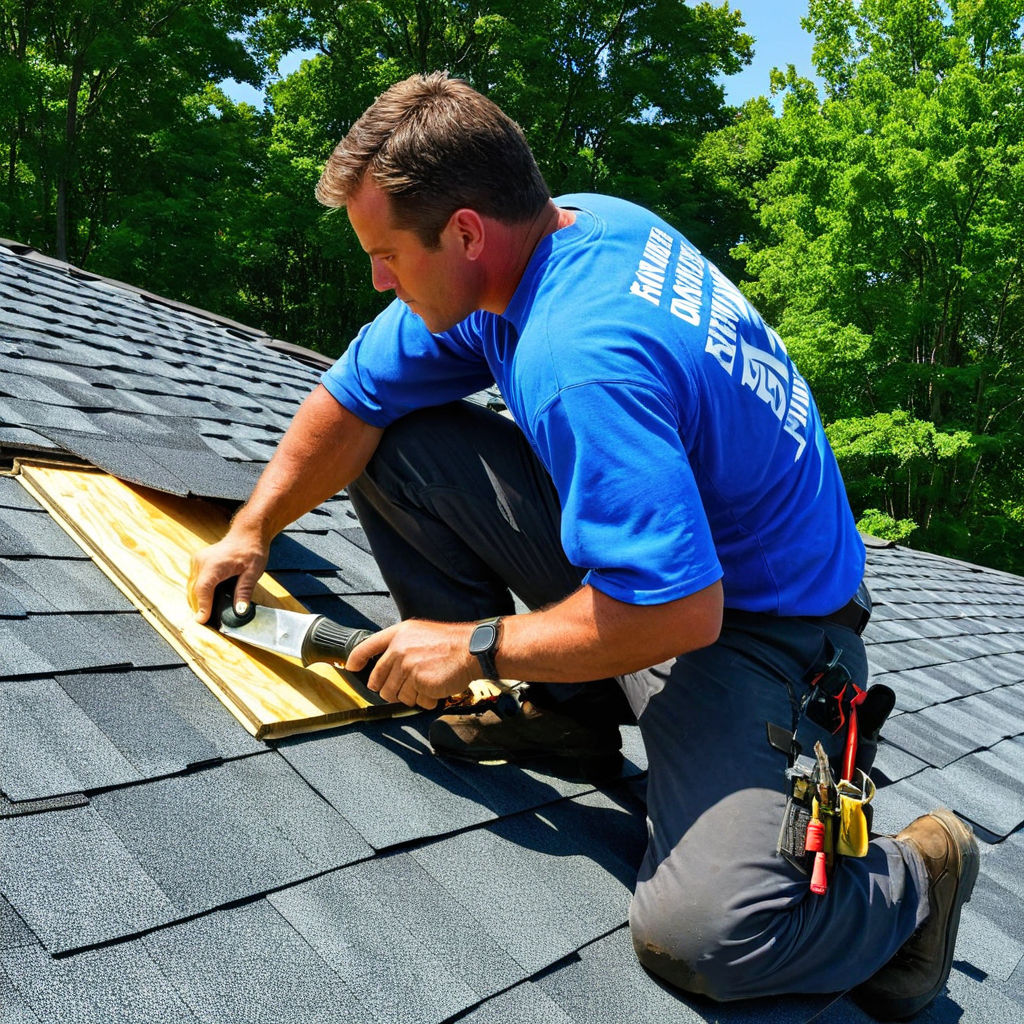
The best timeline starts with decisions made upfront. We set acceptance criteria like fastener spacing and underlayment laps. Every milestone ties to a photo set and a quick owner review. When wind or rain shifts the plan, we adjust the daily order, not the whole week. This tight loop keeps productivity high and stress low.
Choosing inputs that balance service life with site realities
Material calls hinge on wind zones and the deck condition. We explain why a specific underlayment, nail pattern, or sealant fits your build, then confirm delivery timing through roofing for on-time drop-offs. For coastal wind, we choose higher-rated strips and cap systems. Low-slope areas may need seams heat-welded and slope corrections. Compatible parts extend the roof’s service life with fewer callbacks.
We talk maintenance parts too, like boots at vents and sleeves at pipes. A missed flashing turn becomes a leak months later. This is where rigorous material matching matters most. Specs are paired with photos from similar homes and light commercial sites. When you see the why behind each choice, you can prioritize smartly. This is the only time we use the term roofing, and we keep it precise.
Coordinating crews and staging days for steady progress
We break work into bite-size tasks with start/stop points and check gates. Updates ride a simple morning note and a noon sync documented through roofing so everyone stays aligned. Tear-off starts at the downwind edge to control debris. Dry-in follows fast to get water-tight by midday. We keep walkways clean between shifts for safety.
If rot appears, we pause, document, and price transparently. We protect solar conduits and satellite mounts with guards. Crews carry spare tarps and edge covers to manage pop-up showers. Laying out stacks and fasteners by zone cuts steps and speeds install. A crisp end-of-day checklist prevents miss-and-rush mistakes.
Inspecting valleys and eaves with checklists that work
Talking about quality means little without evidence you can see. We run leak-path checks, fastener pull tests, and finish photos, then share them via roofing for a permanent record you can review. Water follows laps, gravity, and wind; we design to those forces. We color-mark inspected zones so no area gets skipped. If something fails a check, we fix it right then, not later.
Backing the work means clear coverage and a human who answers. We explain coverage with plain terms and response times. If you need a roofing contractor near me, insist on documented tests and dated photos. We invite third-party eyes when it helps confidence and compliance. Proof beats promises every single time.
Caring for your roof with seasonal checks and smart upkeep
After a new build, the first year teaches you the roof’s habits. We recommend light seasonal passes, and we note due dates and tasks inside roofing so nothing slips. Sweep valleys and gutters before leaf season and big rains. Check downspouts where splash zones can flood plant beds. Tiny cracks grow fast when heat and cold swing hard.
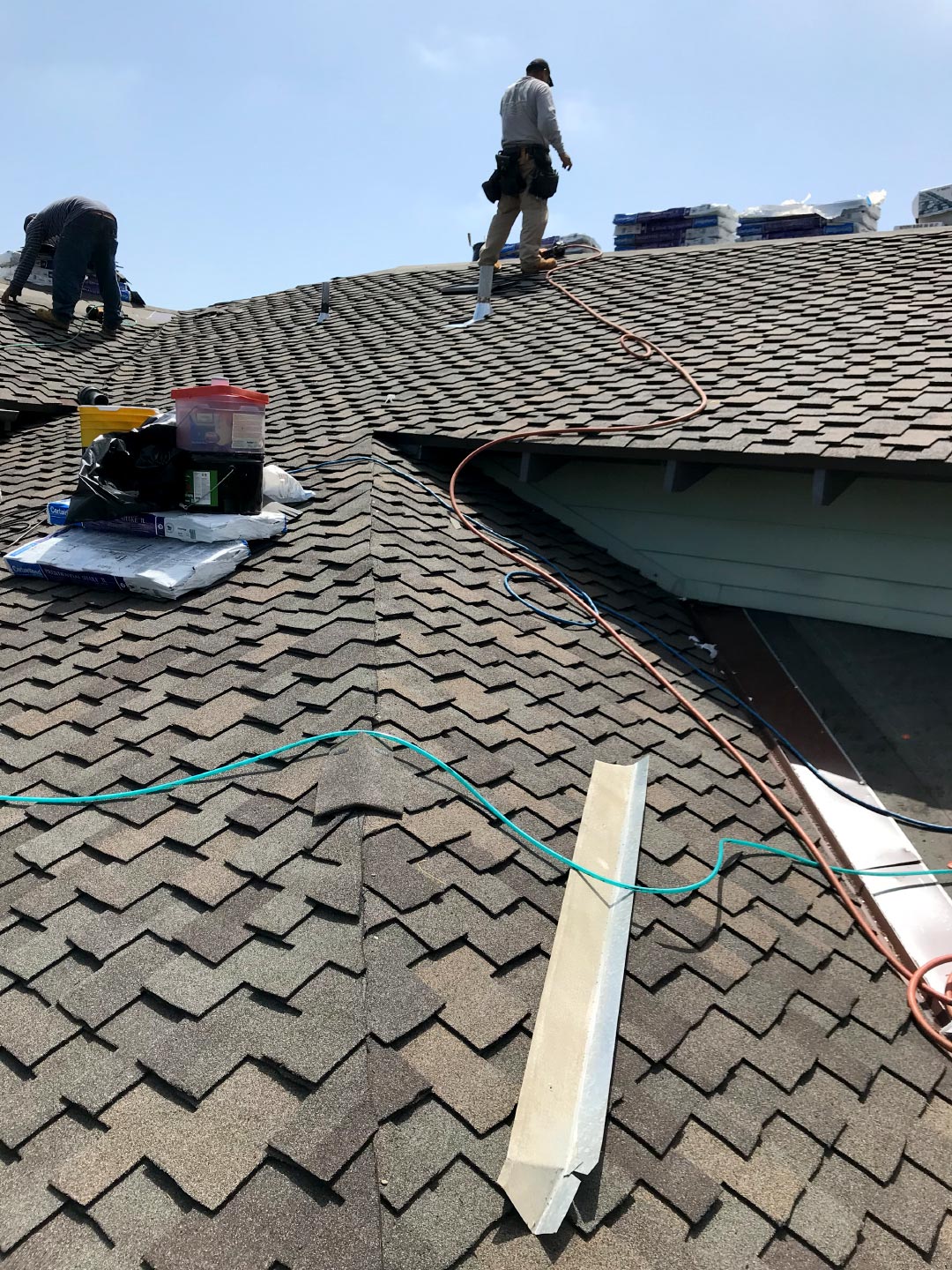
Keep a simple log of photos and dates for future resale. If you ever need work beyond small fixes, ask whether the scope points to partial overlay or a full roof replacement. Pros compare service life, upfront cost, and risk of callbacks. Your goal is to spend once and keep proof current. That’s the calm, predictable path most owners prefer.
Conclusion: Safe roofs come from clear scopes, right materials, tight schedules, and proof. Across each phase, decisions are logged and verified so risk stays low. Pick people who show you the plan, the tests, and the record. Follow these steps and you’ll get lasting performance without the drama.







