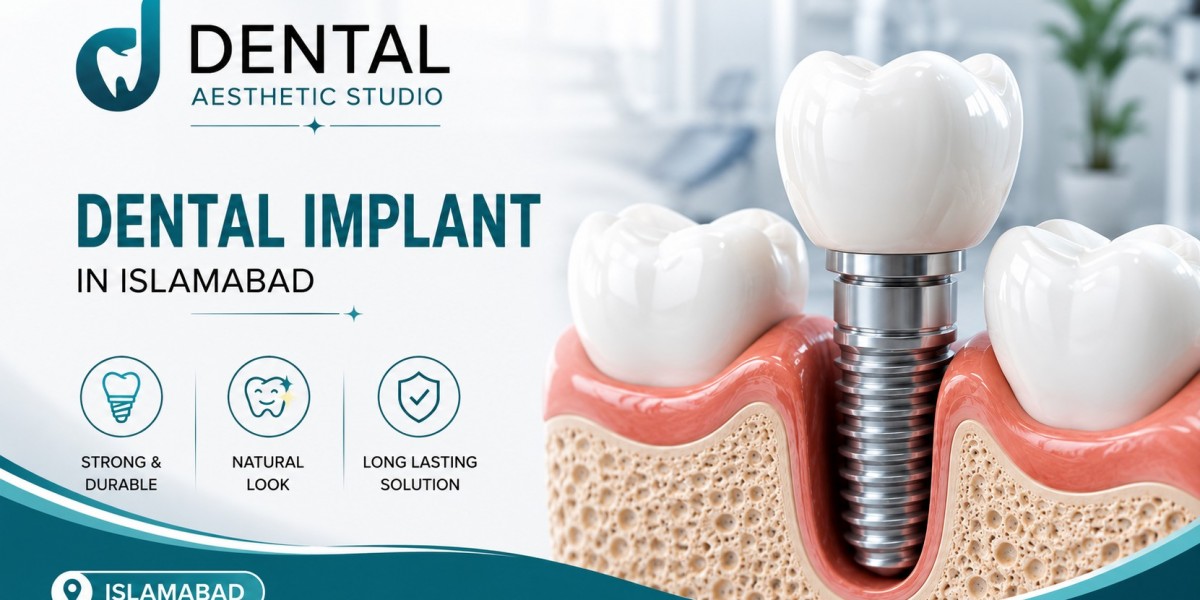

Dental implants are a reliable option for replacing missing teeth and restoring a natural-looking smile. They are designed to replace missing tooth roots and provide a stable foundation for artificial teeth. However, not everyone is immediately suitable for this treatment. A patient's oral health, jawbone condition, medical history, and lifestyle habits all play an important role in determining whether dental implants are appropriate.
People considering Dental Implant in Islamabad treatment should understand the basic requirements before starting the procedure. A professional dental examination helps identify suitable candidates and determine whether additional treatments are needed.
1. People With One or More Missing Teeth:
Individuals who have lost one or several teeth may benefit from dental implants. Missing teeth can affect chewing, speech, and smile appearance. They may also allow nearby teeth to shift into the empty space.
Dental implants replace missing teeth with artificial restorations that look and function naturally. Depending on the number of missing teeth, a dentist may recommend individual implants, implant-supported bridges, or other suitable options.
2. Patients With Healthy Gums:
Healthy gums are important for successful dental implant treatment. Gum tissues support the implant area and help protect the surrounding bone from infection.
Patients with active gum disease may need treatment before implant placement. Conditions such as periodontitis can affect the supporting tissues and increase the risk of complications.
Maintaining good oral hygiene and attending regular dental appointments can help prepare patients for treatment.
3. Individuals With Sufficient Jawbone Support:
Dental implants need adequate jawbone support to remain stable. After tooth loss, the jawbone may gradually shrink because it no longer receives stimulation from the natural tooth root.
Patients with sufficient bone volume are generally suitable candidates for implant placement. However, people with reduced bone density or bone loss may still qualify after additional procedures such as bone grafting.
A dentist may recommend dental imaging to evaluate the jawbone and plan the treatment.
4. Adults With Fully Developed Jawbones:
Dental implants are generally recommended for adults whose jawbones have completed their growth. Placing implants before jaw development is complete may affect their position as the surrounding facial structures continue to grow.
There is no strict upper age limit for dental implants. Older adults may also receive implants if their overall health, bone condition, and oral hygiene are suitable.
The dentist evaluates each patient individually rather than relying only on age.
5. People With Good General Health:
Overall health is another important factor when considering dental implant treatment. Patients should be healthy enough to undergo the required dental procedure and complete the healing process.
Certain medical conditions may affect bone healing or increase the risk of infection. For example, uncontrolled diabetes may create additional challenges during recovery.
Patients should share their medical history and medications with their dentist before treatment. With proper planning, many people with controlled medical conditions may still be suitable candidates.
6. Non-Smokers or Patients Willing to Quit Smoking:
Smoking can interfere with the healing process and increase the risk of dental implant complications. Tobacco use may also affect gum health and the long-term stability of implants.
Non-smokers generally have fewer smoking-related healing risks. Patients who smoke should discuss their habits with their dentist and consider quitting before and after treatment.
Avoiding tobacco can help improve the chances of successful healing.
7. Patients Who Can Maintain Good Oral Hygiene:
Dental implants require regular care, just like natural teeth. Patients must be willing to brush twice daily, clean between their teeth, and attend professional dental checkups.
Poor oral hygiene can lead to plaque buildup and inflammation around the implant. Over time, this may damage the surrounding gum tissue and supporting bone.
People who are committed to maintaining their oral health are generally better candidates for long-term implant success.
8. Individuals Looking for a Long-Term Tooth Replacement:
Some patients prefer dental implants because they offer a stable alternative to removable dentures. Implants are fixed into the jawbone and can support individual crowns, bridges, or full-arch restorations.
They can improve chewing ability, speech, and confidence when properly planned and maintained.
Patients should understand that implants require a treatment process, healing time, and regular maintenance. They are a long-term solution but do not guarantee lifetime results.
Who May Need Additional Treatment Before Dental Implants?
Some patients may not be ready for immediate implant placement. However, this does not automatically mean they cannot receive implants in the future.
Additional treatment may be required for people with:
Active gum disease or dental infections.
Insufficient jawbone volume.
Untreated tooth decay.
Poorly controlled medical conditions.
Heavy smoking habits.
Healing problems related to certain medications.
Depending on the patient's condition, the dentist may recommend gum treatment, tooth extraction, bone grafting, or medical consultation before proceeding.
How Do Dentists Determine If You Qualify for Dental Implants?
A dental implant assessment usually begins with a detailed examination of the mouth, teeth, and gums. The dentist reviews the patient's medical history and checks the condition of the jawbone.
Dental X-rays or other imaging techniques may be used to evaluate bone volume and identify important anatomical structures.
The dentist then considers the number of missing teeth, treatment goals, and available options before recommending a personalized plan.
Patients can also discuss the Dental Implant Cost in Islamabad to understand the possible expenses involved. The final cost may depend on implant materials, the number of teeth being replaced, and whether additional procedures are required.
Conclusion:
An ideal candidate for dental implants generally has healthy gums, sufficient jawbone support, good overall health, and a commitment to proper oral hygiene. However, people with bone loss, certain medical conditions, or smoking habits may still qualify after appropriate evaluation and preparation. Every patient has different dental needs, so professional assessment is essential before treatment. Visit Dental Aesthetics Studio to explore tooth replacement options and receive guidance about dental implant treatment.







